


Keeping track of work shifts sounds simple until schedules start changing, shifts get swapped, and employees need information at different times of the day. That’s where the UGE schedule comes into the picture.
For many employees, having access to an organized schedule can make the difference between a smooth workweek and a stressful one. Nobody enjoys guessing when their next shift starts or calling coworkers to confirm a schedule update.
The good news is that modern scheduling systems have made workforce management much easier. Whether you’re a new employee trying to understand the platform or a long-time user looking to get more value from it, understanding how a UGE schedule works can save time and reduce confusion.
Table of Contents
- What Is a UGE Schedule?
- Why Employee Scheduling Matters
- How the UGE Schedule System Works
- Key Features Employees Use Most
- Benefits for Managers and Teams
- Common Scheduling Challenges and Solutions
- Tips for Getting the Most From Your Schedule
- Mobile Access and Convenience
- Why Digital Scheduling Is Becoming the Standard
- Final Thoughts
What Is a UGE Schedule?
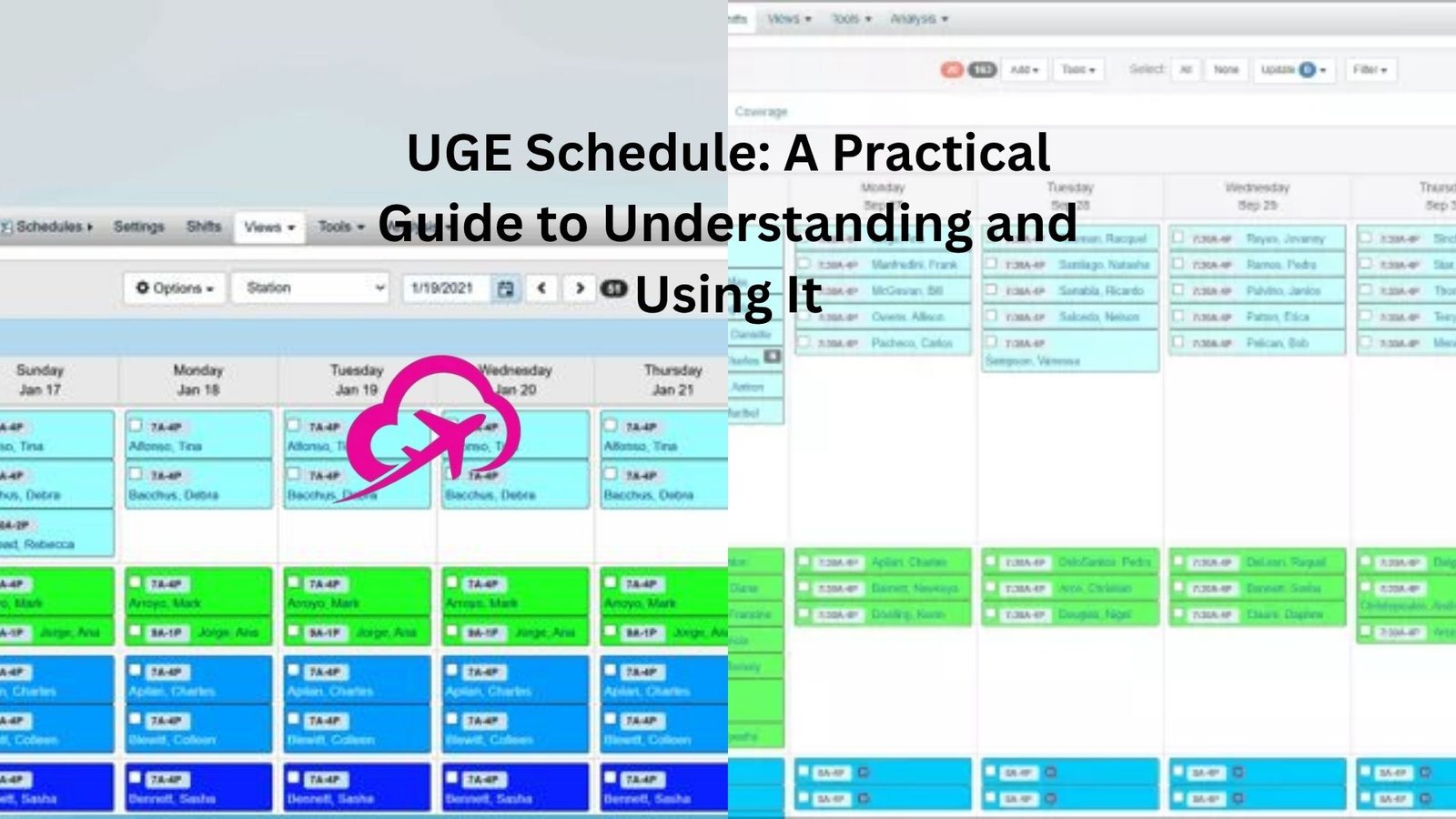
A UGE schedule is generally a digital employee scheduling system used by organizations to manage work shifts, staffing needs, availability, and schedule updates in a centralized location.
Instead of relying on printed schedules pinned to a breakroom wall, employees can view their upcoming shifts online. Managers can create schedules, make adjustments, and communicate changes without sending endless messages or emails.
Think about a busy retail store during the holiday season. Staff availability changes frequently, extra shifts need coverage, and customer traffic increases dramatically. A scheduling platform helps keep everything organized without turning the process into a daily headache.
The real value comes from having a single source of truth. Everyone sees the same schedule, reducing misunderstandings and missed shifts.
Why Employee Scheduling Matters
Scheduling often gets overlooked until something goes wrong.
An employee arrives at 9 AM believing they’re scheduled to work, only to discover their shift starts at noon. Another worker misses an update because they never saw the revised schedule posted in the staff room.
Situations like these create unnecessary frustration.
A well-managed schedule helps employees plan their lives outside of work. People can arrange childcare, attend appointments, plan family events, or simply know when they’ll have time to relax.
Managers benefit as well.
When staffing levels match business demand, operations run more smoothly. Customers receive better service, workloads remain balanced, and overtime costs can often be controlled more effectively.
Here’s the thing: scheduling isn’t just about filling shifts. It’s about helping people coordinate their work and personal responsibilities.
How the UGE Schedule System Works
Most digital scheduling systems follow a similar process.
Managers create schedules based on staffing requirements, employee availability, labor budgets, and operational needs. Once published, employees can log in and view their assigned shifts.
Many systems also provide additional information, such as:
- Shift start and end times
- Department assignments
- Schedule updates
- Requests for time off
- Shift swap options
Imagine Sarah, who works part-time while attending college. She checks her schedule every Sunday evening to see her shifts for the upcoming week. If a class schedule changes, she can request time adjustments through the platform instead of making multiple phone calls.
That kind of convenience is one reason digital scheduling tools have become so common.
The process becomes even more valuable when schedules change unexpectedly. Employees can receive updates quickly rather than discovering changes after arriving at work.
Key Features Employees Use Most
Not every feature gets used equally.
In practice, employees tend to rely heavily on a few core functions that directly affect their daily routines.
Viewing Upcoming Shifts
This is usually the most frequently used feature.
Employees want quick access to their schedules without searching through emails or printed documents. A digital schedule allows them to check upcoming shifts whenever needed.
Many workers develop a habit of checking their schedules several times each week, especially during busy seasons.
Time-Off Requests
Life happens.
People need vacations, medical appointments, family events, and personal days. Digital scheduling systems often allow employees to submit requests directly through the platform.
This creates a record of requests and reduces the risk of misunderstandings.
Shift Swapping
Sometimes an employee can’t work a scheduled shift.
Instead of calling multiple coworkers, scheduling systems may provide tools that make shift exchanges easier and more transparent.
Managers can review and approve swaps while maintaining appropriate staffing levels.
Notifications and Updates
Schedule changes are inevitable.
When updates occur, notifications help employees stay informed. This reduces confusion and helps everyone remain on the same page.
Benefits for Managers and Teams
The advantages extend beyond individual employees.
Managers often spend a surprising amount of time building schedules. Coordinating dozens or even hundreds of employees can become extremely complex.
A centralized scheduling platform simplifies many administrative tasks.
For example, managers can quickly identify staffing gaps before they become serious problems. They can see employee availability, monitor labor coverage, and make adjustments more efficiently.
Teams benefit from increased transparency as well.
When schedules are visible and accessible, employees have fewer questions about work hours and assignments. Communication becomes smoother because everyone works from the same information.
Let’s be honest. Nobody enjoys last-minute scheduling confusion. Reducing that confusion helps create a better work environment overall.
Common Scheduling Challenges and Solutions
Even the best scheduling systems can’t eliminate every challenge.
Businesses still face real-world staffing issues.
Last-Minute Absences
Unexpected illnesses and emergencies happen.
When employees call out unexpectedly, managers need quick ways to identify available replacements. Digital scheduling tools often make this process faster than traditional methods.
Availability Conflicts
Employees have lives outside work.
Students, parents, and part-time workers frequently juggle multiple commitments. Accurate availability settings help prevent scheduling conflicts before they occur.
Communication Gaps
One of the biggest scheduling problems isn’t scheduling itself.
It’s communication.
A schedule may be correct, but if employees don’t see updates, problems still arise. Regular schedule checks and notification features help reduce this risk.
Seasonal Demand Changes
Many industries experience busy and slow periods.
Retail stores during holidays, hospitality businesses during vacation seasons, and event venues during peak periods often require flexible staffing strategies.
Digital scheduling systems make it easier to adjust staffing levels as business needs change.
Tips for Getting the Most From Your Schedule
Using a scheduling platform effectively involves more than simply checking shift times.
A few habits can make the experience much smoother.
First, review your schedule regularly.
Even if notifications are enabled, it’s a good idea to verify upcoming shifts personally. Small schedule adjustments can occur, especially in dynamic workplaces.
Second, keep availability information current.
If your personal schedule changes, update your availability as soon as possible. This helps managers create accurate schedules and reduces potential conflicts.
Third, submit requests early.
Vacation requests, personal days, and availability adjustments are usually easier to accommodate when submitted well in advance.
Finally, communicate proactively.
Technology helps, but clear communication still matters. If you notice a potential issue, addressing it early can prevent bigger problems later.
Mobile Access and Convenience
One reason digital scheduling platforms have become so popular is accessibility.
People carry their schedules in their pockets.
Years ago, employees often needed to visit the workplace physically just to check a posted schedule. Missing an update could create significant problems.
Now, many scheduling systems offer mobile-friendly access, allowing employees to view schedules from virtually anywhere.
Picture someone waiting in line at a grocery store.
They receive a notification about an approved shift change, confirm the details, and continue their day without interruption.
That level of convenience feels normal today, but it represents a major improvement compared to older scheduling methods.
The ability to access scheduling information at any time helps employees stay organized and informed.
Why Digital Scheduling Is Becoming the Standard
The shift toward digital workforce management isn’t slowing down.
Businesses increasingly recognize that scheduling affects more than staffing levels. It influences employee satisfaction, operational efficiency, communication quality, and overall workplace organization.
Employees expect easy access to information.
Managers need tools that reduce administrative workload.
Organizations want systems that improve coordination without creating additional complexity.
Digital scheduling platforms address all three goals.
The result is a more connected workplace where scheduling information remains accurate, accessible, and easy to manage.
While no system is perfect, the benefits are difficult to ignore.
Better visibility. Faster communication. Fewer misunderstandings.
Those advantages add up quickly.
Final Thoughts
A well-managed UGE schedule helps bring order to one of the most important parts of any workplace: knowing who works when.
For employees, it provides clarity and flexibility. For managers, it simplifies coordination and staffing decisions. For organizations, it creates a more efficient and organized scheduling process.
The real value isn’t just seeing your next shift. It’s having confidence that the information is current, accessible, and easy to understand.
When scheduling works well, people spend less time worrying about logistics and more time focusing on their actual work. And that’s something nearly every workplace can appreciate.
