


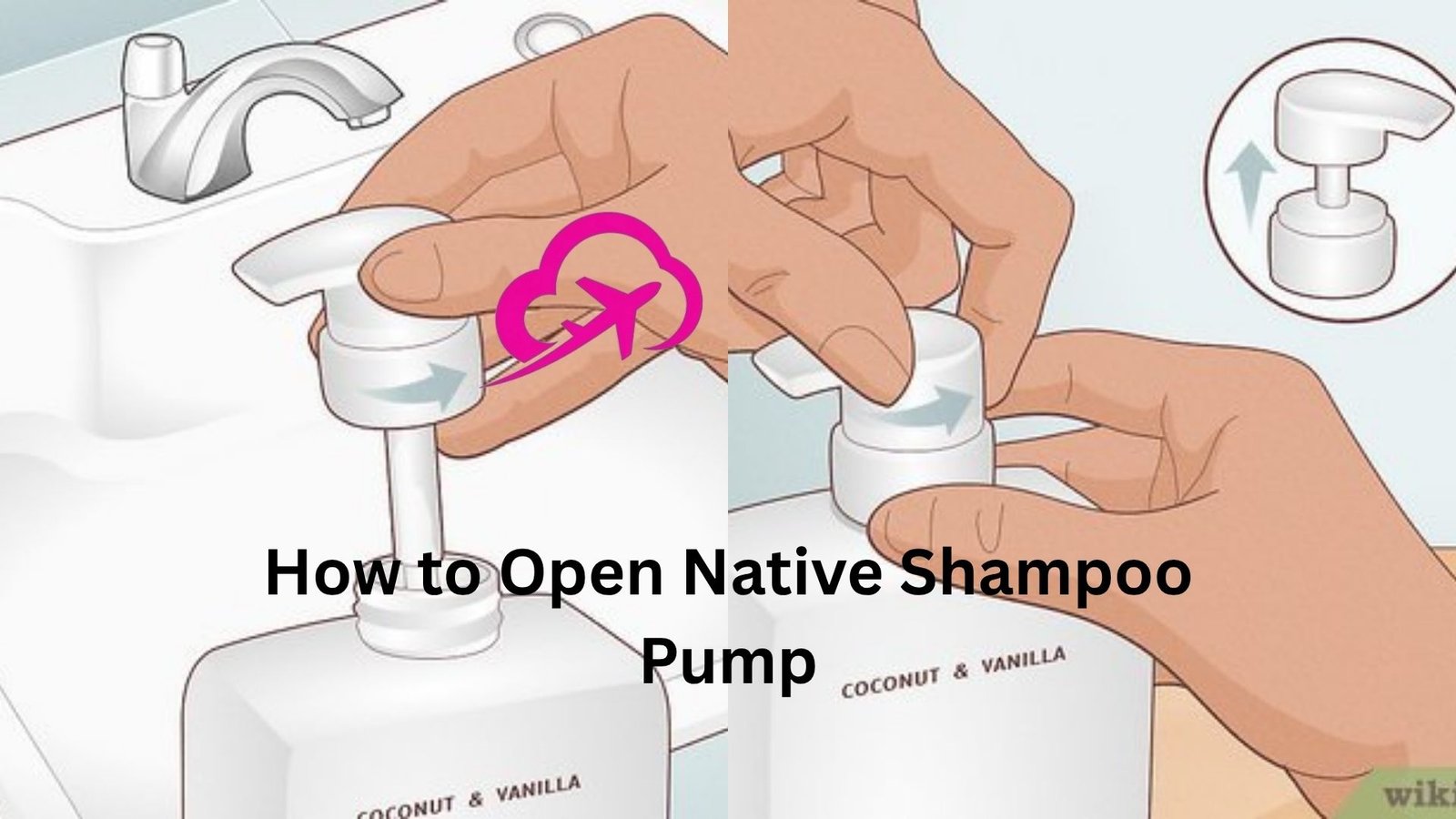
You bring home a fresh bottle of Native shampoo, twist the pump, and… nothing happens.
The pump stays locked. You turn it one way, then the other. Maybe you press down a few times. Still nothing. At that point, it’s easy to wonder if the bottle is defective.
The good news is that Native shampoo pumps usually aren’t broken. They’re simply locked for shipping, and opening them takes a specific motion that isn’t always obvious at first glance.
If you’ve been struggling with a stubborn Native shampoo pump, you’re definitely not alone. Many people run into the same issue, especially with a brand-new bottle. Once you understand how the locking mechanism works, getting it open is usually quick and painless.
Why Native Shampoo Pumps Arrive Locked
Like many personal care products, Native shampoo bottles are designed to prevent leaks during shipping and storage.
Imagine a bottle bouncing around inside a delivery truck for several days. If the pump were already unlocked, shampoo could easily leak everywhere. The locking system keeps the pump compressed until you’re ready to use it.
Most Native shampoo pumps use a simple twist-lock design. The pump head is pushed down and locked into place. To activate it, you typically need to hold one part steady while turning another.
That sounds straightforward, but the smooth plastic can make it difficult to tell which piece is supposed to move.
The Basic Method for Opening a Native Shampoo Pump
In most cases, opening the pump takes less than a minute.
Start by placing the bottle on a stable surface. Hold the collar—the plastic ring located directly above the bottle neck—with one hand.
With your other hand, grip the pump head.
Now turn the pump head counterclockwise while keeping the collar from moving.
You may feel a little resistance at first. That’s normal.
After a partial turn, the pump head should pop upward. Sometimes it rises immediately. Other times it slowly lifts as the internal spring expands.
Once the pump is extended, press it several times. It may take a few pumps before shampoo starts flowing because the mechanism needs to pull product into the tube.
That’s the process that works for most Native shampoo bottles.
When the Pump Won’t Pop Up
Sometimes the standard twist isn’t enough.
A common situation happens when the entire pump assembly rotates together. Instead of unlocking, the collar and pump head spin as one piece.
When that happens, focus on keeping the collar completely still.
You can wrap a dry towel around the collar for extra grip. Then try turning only the top section.
Let’s be honest: slippery bathroom hands don’t help. A pump that feels impossible to open with wet hands often opens within seconds once everything is dry.
Another trick is to gently press the pump downward while turning. Some locking mechanisms release more easily when slight pressure is applied.
Avoid forcing it. Excessive twisting can crack plastic components or separate the pump from the bottle.
Check for Extra Packaging
It sounds obvious, but it’s worth mentioning.
Some bottles include a small plastic clip, seal, or shipping lock around the pump.
If you see any packaging material holding the pump down, remove it before attempting to unlock the mechanism.
People sometimes spend several minutes twisting a pump that physically can’t open because a shipping clip is still attached.
A quick inspection can save a lot of frustration.
What to Do if the Pump Is Extremely Tight
Occasionally, a Native shampoo pump arrives unusually tight from the factory.
If normal twisting doesn’t work, try these steps:
Improve Your Grip
A rubber jar opener, rubber gloves, or even a dry washcloth can provide enough traction to unlock a stubborn pump.
The issue is often grip rather than mechanical failure.
Hold the Bottle Firmly
Place the bottle on a countertop instead of holding it in the air.
This gives you better leverage and prevents the bottle from rotating while you twist the pump head.
Try a Gentle Reset
Unscrew the entire pump assembly from the bottle.
Then screw it back on securely and attempt the unlocking process again.
Sometimes the pump components shift slightly during transportation, and reseating the assembly helps everything line up correctly.
If Shampoo Isn’t Dispensing After Opening
Sometimes the pump pops up successfully, but no shampoo comes out.
That doesn’t necessarily mean there’s a problem.
New pumps often need several presses before they prime properly.
Try pumping 10 to 20 times.
Thicker shampoos can take longer to travel through the dip tube and into the pump chamber.
If nothing happens after repeated pumping, check whether the dip tube inside the bottle is attached securely. The tube should extend downward into the shampoo.
A disconnected tube can prevent product from reaching the pump mechanism.
You can also try turning the bottle upside down briefly, then returning it upright and pumping again. This sometimes helps move product into the system.
Common Mistakes That Make Opening Harder
People often make the process more difficult without realizing it.
One common mistake is twisting the collar instead of the pump head. Since the collar is attached to the bottle, rotating it doesn’t unlock the mechanism.
Another issue is turning in the wrong direction.
Most Native shampoo pumps unlock by turning counterclockwise, but people naturally try both directions when they’re frustrated. Repeated clockwise turns can keep the pump locked.
There’s also the tendency to pull upward aggressively.
The pump is designed to unlock through rotation, not forceful pulling. Tugging on the head usually won’t help and can sometimes damage the pump.
Patience works better than strength here.
How Different Native Bottles May Vary
Native occasionally updates packaging designs.
That means the exact appearance of your pump may not match someone else’s bottle.
Some pumps rise dramatically when unlocked. Others extend only a small amount.
Certain bottles require a quarter-turn, while others need a little more rotation before releasing.
Even with these differences, the basic principle stays the same: hold the collar steady and rotate the pump head until the spring releases.
If you’ve opened soap dispensers, lotion pumps, or shampoo bottles from other brands before, the process will feel familiar once you identify the moving parts.
Signs the Pump Might Actually Be Defective
True pump defects are fairly uncommon, but they do happen.
You may have a faulty pump if:
- The pump head won’t rotate at all despite good grip and reasonable force.
- The pump separates from the mechanism when twisted.
- The spring doesn’t extend after unlocking.
- The dispenser remains completely nonfunctional after extensive priming.
If you’ve tried all the usual fixes and the pump still won’t work, the simplest solution may be transferring the shampoo into another dispenser or contacting the retailer for assistance.
Most consumers never need to reach that point, though.
A Quick Real-World Example
Picture a typical situation.
You unpack a new Native shampoo bottle before your morning shower. The pump looks straightforward, so you give it a quick twist. Nothing.
You twist harder. Still nothing.
At this point, many people assume the pump is broken.
Then you dry your hands, place the bottle on the bathroom counter, hold the collar firmly, and turn only the pump head counterclockwise.
Pop.
The pump springs up instantly.
What felt like a manufacturing defect was really just a grip and leverage issue.
That little scenario happens surprisingly often.
Keeping the Pump Working Smoothly
Once the pump is open, a little maintenance goes a long way.
Rinse away dried shampoo that collects around the pump opening. Product buildup can make pumps feel sticky over time.
If the bottle sits unused for a while, pumping a few times usually gets everything moving again.
Try not to force the dispenser if it feels resistant. A quick rinse with warm water often solves minor clogs better than aggressive pressing.
These simple habits help extend the life of the pump and make everyday use more convenient.
The Bottom Line
Learning how to open a Native shampoo pump is usually much simpler than it first appears. Most bottles use a standard twist-lock design that requires holding the collar steady while turning the pump head counterclockwise.
If the pump doesn’t release immediately, better grip, dry hands, and a stable surface often solve the problem. A few extra pumps afterward will typically prime the dispenser and get the shampoo flowing.
The next time a brand-new Native bottle refuses to cooperate, don’t assume it’s defective. In many cases, one small twist in the right place is all it takes.
