


If you’ve spent any time on TikTok, Snapchat, Instagram, or even in gaming chats, you’ve probably come across the term “GNG” and wondered what everyone is talking about.
Someone posts a photo and gets a comment saying, “Looking good gng.” Another person replies to a message with, “I got you gng.” At first glance, it can look like a random collection of letters. But for many people online, it has a very specific meaning.
Internet slang moves fast. New abbreviations appear almost daily, and some disappear just as quickly. GNG is one of those terms that has managed to stick around because it’s simple, flexible, and easy to use in everyday conversations.
So what does GNG mean, where did it come from, and why is it suddenly everywhere?
What Does GNG Mean?
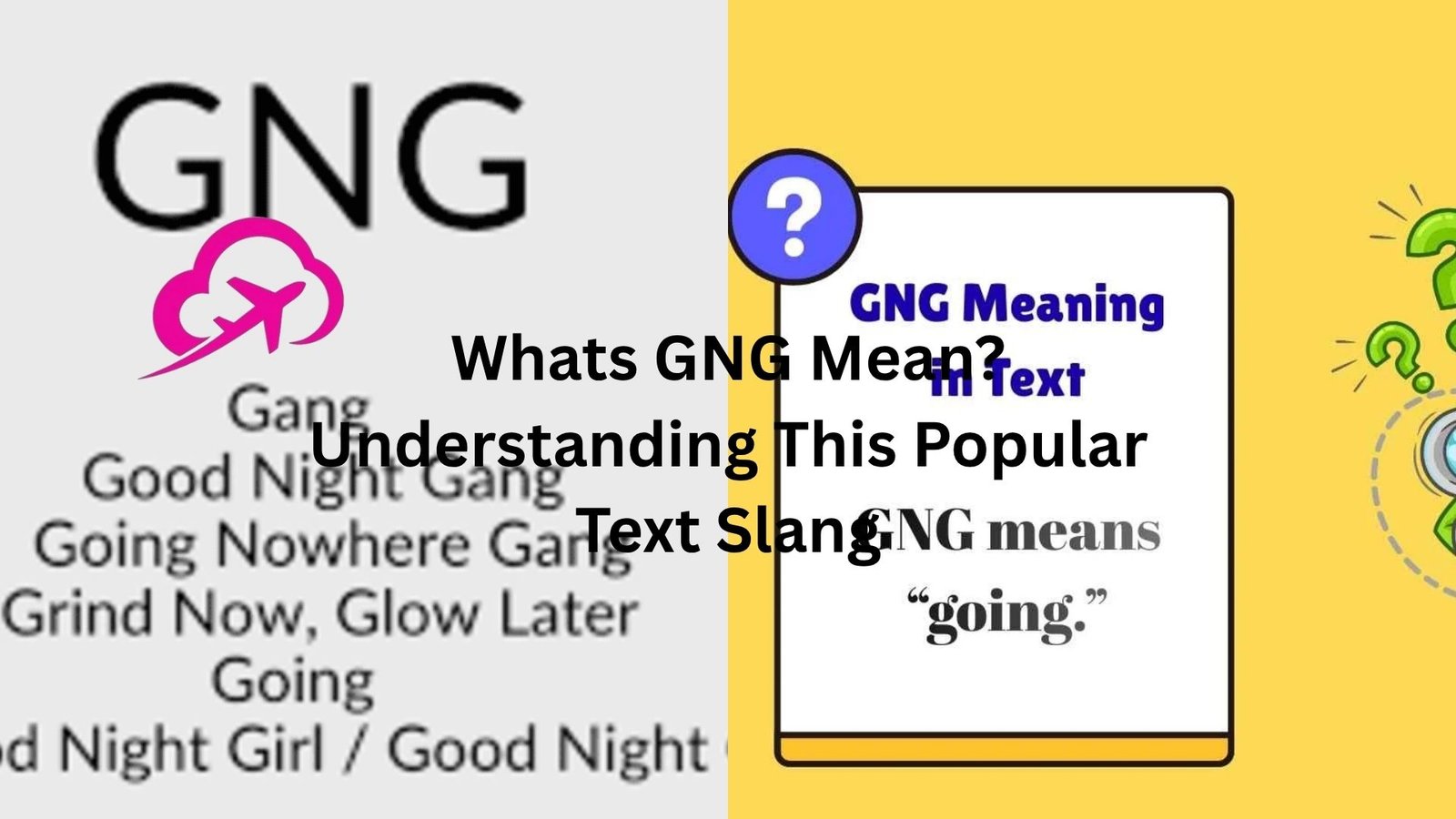
In most cases, GNG stands for “gang.”
It’s commonly used as a friendly way to address someone, similar to saying:
- Bro
- Homie
- Friend
- Buddy
- My guy
For example:
“What’s good gng?”
This simply means:
“What’s good, friend?”
Or:
“Appreciate you gng.”
Which translates to:
“Thanks, my friend.”
The abbreviation became popular because typing three letters is quicker than typing the entire word. That’s pretty much how most internet slang evolves. People shorten words, others copy the habit, and before long it becomes part of online culture.
Why People Use GNG Instead of Gang
Speed is a big reason.
Texting has always encouraged shortcuts. People write “u” instead of “you,” “idk” instead of “I don’t know,” and “brb” instead of “be right back.”
GNG follows the same pattern.
But there’s another reason too. The abbreviation has developed its own online identity. In some communities, especially among younger social media users, “gng” feels more casual and modern than spelling out “gang.”
It’s not necessarily about gangs in the traditional sense. Most of the time, it’s simply a term of friendship or familiarity.
A teenager might comment:
“That’s fire gng.”
A gamer might type:
“Good match gng.”
A friend might send:
“Stay safe gng.”
The meaning remains positive and friendly in these situations.
Where Did GNG Come From?
Like many slang terms, GNG doesn’t have one clear origin story.
The word “gang” has been used for decades to describe a group of friends, a close circle, or people who spend time together. Over time, the word became part of everyday speech in many communities.
Social media accelerated the shift.
Platforms like TikTok, Instagram, Twitter, YouTube, and Snapchat helped spread shortened versions of common words. Users started typing “gng” instead of “gang,” and the abbreviation gained momentum.
Music culture also played a role.
Many rap artists and online personalities frequently use “gang” when speaking to fans, friends, or followers. As those phrases spread across social media clips and comments, abbreviated versions naturally followed.
The result is the GNG we see today.
How GNG Is Used in Conversations
One reason GNG became popular is that it’s incredibly versatile.
People use it in different situations without changing its basic meaning.
Here are a few common examples.
Greeting Someone
“What’s up gng?”
This works the same way as saying “What’s up bro?” or “How are you doing?”
Showing Appreciation
“Thanks for helping me out gng.”
The speaker is expressing gratitude while keeping the conversation casual.
Offering Support
“You’ll be alright gng.”
This gives reassurance and encouragement.
Celebrating Success
“You finally got the job? Let’s go gng!”
The term adds a friendly tone to congratulations.
Because of this flexibility, GNG fits naturally into many online conversations.
Is GNG Always Friendly?
Usually, yes.
Most people use it as a positive expression between friends, followers, teammates, or acquaintances.
However, context matters.
Sometimes people use slang sarcastically.
Imagine someone writes:
“Nice move gng.”
Depending on the situation, that could be genuine praise or playful sarcasm.
The surrounding conversation usually makes the meaning obvious.
Still, the overwhelming majority of GNG usage online is friendly rather than negative.
GNG on TikTok
TikTok has played a huge role in pushing GNG into mainstream internet language.
Scroll through enough comment sections and you’ll see it everywhere.
Users often leave comments such as:
“Keep going gng.”
“That’s tough gng.”
“You got this gng.”
The short format works perfectly on a platform where people communicate quickly and casually.
TikTok trends also tend to spread language rapidly. A phrase used by a few creators can reach millions of viewers within days.
That’s one reason many people first encounter GNG on TikTok before seeing it elsewhere.
GNG in Gaming Communities
Gaming culture has always been a breeding ground for abbreviations.
Players constantly communicate under time pressure. The fewer characters required, the better.
GNG fits naturally into that environment.
A player might type:
“Good game gng.”
Or:
“I’ll be online later gng.”
The term helps create a sense of camaraderie without requiring lengthy messages.
If you’ve ever spent time in multiplayer games, you’ll know how quickly gaming communities adopt useful shortcuts.
GNG is one of those shortcuts that crossed over into broader internet culture.
Can GNG Mean Something Else?
Occasionally, yes.
Like many abbreviations, GNG can have alternative meanings depending on the industry or context.
In business, technology, or specialized fields, GNG may refer to completely different concepts or company names.
However, when you see GNG in texting, social media comments, direct messages, gaming chats, or online conversations, it almost always means “gang” as a friendly nickname.
That’s the interpretation most people will assume.
Who Uses GNG?
A common misconception is that only teenagers use internet slang.
The reality is more interesting.
While younger users helped popularize GNG, the term now appears across many age groups.
Content creators use it.
Gamers use it.
Sports fans use it.
Musicians and influencers use it.
Even adults who spend enough time online often pick up slang naturally without actively trying to.
Language spreads through exposure. The more often people see a term, the more likely they are to understand and eventually use it.
GNG is a perfect example of that process.
Should You Use GNG?
That depends on your audience.
If you’re chatting with friends, commenting on social media, or participating in online communities where slang is common, GNG can feel natural.
For example:
“Good looking out gng.”
Most people in those spaces will immediately understand what you mean.
On the other hand, if you’re writing a professional email, communicating with clients, or speaking in a formal setting, it’s probably best to avoid internet abbreviations altogether.
Imagine ending a business proposal with:
“Looking forward to working together gng.”
That would feel a little out of place.
The key is matching your language to the situation.
Why Internet Slang Like GNG Matters
At first glance, slang can seem trivial.
They’re just shortened words, right?
But slang actually tells us a lot about how people communicate.
Terms like GNG help create a sense of belonging. They signal familiarity and shared culture. When people use the same expressions, they often feel more connected to the communities they’re part of.
That’s why internet language changes so quickly. People constantly invent new ways to communicate identity, humor, friendship, and personality.
Some slang disappears after a few months.
Others become permanent parts of everyday speech.
Whether GNG lasts for years or eventually fades away, it reflects how online communication continues to evolve.
Final Thoughts
So, what’s GNG mean?
In most online conversations, GNG simply means “gang,” used as a friendly way to address someone. It’s similar to saying bro, homie, buddy, or friend.
You’ll see it in text messages, TikTok comments, gaming chats, Instagram posts, and countless other corners of the internet. Most of the time, it’s a casual expression of friendship, support, or familiarity.
The next time someone says, “I got you gng,” you won’t have to guess what they mean.
They’re just speaking the language of the internet.
