


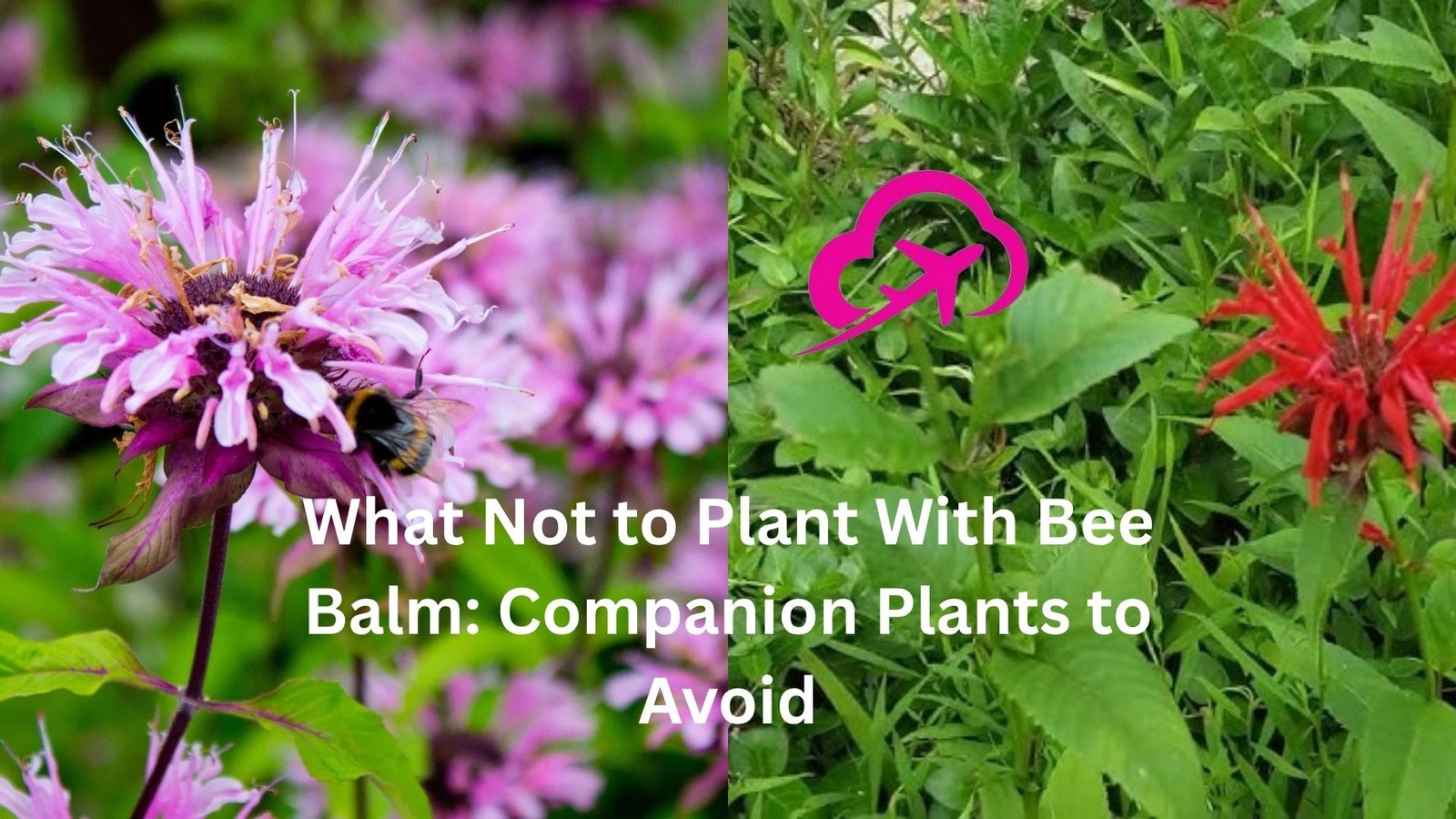
Bee balm is one of those plants that seems to make every garden a little more alive. The bright blooms attract bees, butterflies, and hummingbirds, while the fragrant foliage adds another layer of interest. It’s easy to see why gardeners love it.
But here’s something many people discover the hard way: bee balm doesn’t get along with every plant in the garden.
You can have healthy soil, plenty of sunshine, and consistent watering, yet still end up with disappointing results if the wrong neighbors are growing nearby. Some plants compete too aggressively. Others create conditions that encourage disease. A few simply need completely different growing environments.
If your bee balm struggles to bloom, develops powdery mildew every summer, or seems crowded and stressed despite your best efforts, nearby plants might be part of the problem.
Why Plant Pairing Matters With Bee Balm
Bee balm isn’t especially fussy, but it does have clear preferences.
It likes moist, well-drained soil, good air circulation, and enough room to spread. Many varieties grow two to four feet tall and gradually form larger clumps over time. Because of this growth habit, bee balm can become crowded surprisingly quickly.
One summer, a gardener might tuck a small bee balm plant between a few perennials, thinking there’s plenty of space. Two years later, the area becomes a tangled mass of stems competing for light and airflow. That’s when problems often start.
Poor companion choices can lead to:
- Increased competition for water and nutrients
- Reduced air circulation
- More disease pressure
- Stunted growth
- Fewer flowers
The goal isn’t just keeping plants alive. It’s helping them thrive together.
Aggressive Spreaders Can Cause Problems
Bee balm spreads through underground rhizomes. While it isn’t usually considered invasive, it certainly likes to claim territory.
That becomes an issue when it’s planted alongside other vigorous spreaders.
Mint
This is probably the biggest pairing mistake.
Both bee balm and mint belong to the same plant family, and both have a reputation for spreading enthusiastically. Put them together, and you’re essentially creating a competition for garden dominance.
Mint rarely plays nicely. Its roots travel quickly and can overwhelm neighboring plants before you realize what’s happening.
Even if the combination looks manageable during the first season, things often change dramatically by year two or three.
Lemon Balm
Lemon balm may seem like a natural companion because it shares similar growing conditions. The problem is its growth habit.
Once established, lemon balm spreads readily through both roots and self-seeding. Combined with bee balm’s expansion, the area can become crowded fast.
The result is less airflow and greater risk of fungal issues.
Running Bamboo
Most gardeners already know to be cautious with running bamboo, but it deserves mention here.
Its aggressive root system can outcompete many perennials, including bee balm. Unless bamboo is carefully contained, it can dominate the surrounding area and leave neighboring plants struggling for resources.
Plants That Prefer Dry Conditions
One of the most common gardening mistakes comes from grouping plants based on appearance instead of growing needs.
Bee balm enjoys consistently moist soil. Many popular ornamental plants do not.
When these opposites share the same bed, somebody usually suffers.
Lavender
At first glance, bee balm and lavender seem like a beautiful combination.
Both attract pollinators. Both produce colorful flowers. Both add cottage-garden charm.
Yet their water requirements are completely different.
Lavender prefers lean, well-drained soil and dislikes sitting in moisture. Bee balm appreciates more regular watering. If you water enough for bee balm, lavender may develop root problems. If you water for lavender, bee balm may become stressed during hot weather.
That’s a frustrating compromise no gardener wants to manage.
Russian Sage
Russian sage creates a similar challenge.
Its silvery foliage and airy flower spikes thrive in dry conditions. Excess moisture often weakens the plant and shortens its lifespan.
Bee balm’s moisture needs simply don’t match.
Growing them together usually means one plant receives less-than-ideal care.
Sedum
Many upright sedums are prized for their drought tolerance.
They prefer soil that dries out between waterings and often perform best in sunny, relatively dry locations.
Bee balm’s preference for moisture creates a mismatch that can leave both plants underperforming.
Large Plants That Block Airflow
Let’s be honest. Bee balm already has one weakness.
Powdery mildew.
Even resistant varieties can develop fungal problems when air circulation becomes limited. That’s why planting large, dense companions nearby can create headaches.
Large Ornamental Grasses
Tall grasses add movement and texture to a garden, but some varieties form dense walls of foliage.
When planted directly beside bee balm, they can reduce airflow around stems and leaves. Moisture lingers longer, creating favorable conditions for mildew.
The effect may not be obvious early in the season. By midsummer, though, the difference becomes noticeable.
Overgrown Shrubs
Hydrangeas, viburnums, and other broad shrubs can create similar issues when positioned too close.
As shrubs mature, they often cast shade and restrict airflow around nearby perennials.
A bee balm planting that looked perfect when everything was young may become crowded years later.
Regular pruning helps, but sometimes spacing is the better solution.
Trees With Heavy Root Competition
Not all competition happens above ground.
Some of the toughest challenges come from roots.
Maple Trees
Many maple species produce extensive shallow root systems.
These roots are extremely efficient at absorbing moisture and nutrients. Plants growing beneath them often struggle to get their share.
Bee balm generally performs best where soil moisture remains fairly consistent. Under mature maples, that can be difficult to achieve.
Gardeners often notice smaller plants, fewer blooms, and increased stress during dry periods.
Birch Trees
Birch trees create similar conditions.
Their roots compete heavily for water, especially during summer heat.
Even diligent watering sometimes isn’t enough to offset the competition.
If bee balm must grow near trees, choosing locations beyond the main root zone often produces better results.
Plants That Grow Too Tall Too Quickly
Bee balm enjoys full sun.
While it can tolerate some afternoon shade in hotter climates, excessive shading usually reduces flowering.
This becomes a problem when fast-growing plants tower over it.
Giant Sunflowers
Sunflowers are wonderful pollinator plants, but giant varieties can cast significant shade.
A row of towering sunflowers positioned south of bee balm may block sunlight for much of the day.
Less sunlight generally means weaker stems and fewer blooms.
The combination can still work if spacing and placement are carefully planned, but crowding them together rarely produces the best display.
Tall Annual Screens
Plants such as tall castor bean or large annual screening varieties often create the same issue.
Their rapid growth can leave bee balm hidden beneath a canopy of foliage.
The garden may look lush overall, but the bee balm often pays the price.
Plants Highly Susceptible to Similar Diseases
Disease management becomes easier when susceptible plants aren’t clustered together.
Bee balm’s most common issue is powdery mildew.
While it’s not always devastating, it certainly affects appearance and plant vigor.
Pairing bee balm with other mildew-prone plants can increase disease pressure within a planting area.
Garden Phlox
Garden phlox and bee balm are cottage garden favorites.
They also happen to share a tendency toward powdery mildew.
When both develop symptoms simultaneously, the entire bed can look tired by late summer.
That doesn’t mean they can never be grown together. Many gardeners do. However, good spacing and strong airflow become especially important.
In smaller gardens where airflow is already limited, separating them may reduce problems.
Certain Zinnias
Some older zinnia varieties are particularly vulnerable to powdery mildew.
Grouping several mildew-prone plants together can create a situation where fungal issues spread rapidly during humid weather.
Choosing disease-resistant cultivars helps, but careful placement remains important.
Give Bee Balm the Right Neighbors Instead
Understanding what not to plant with bee balm becomes much easier when you think about what it actually wants.
It appreciates:
- Full sun
- Consistent moisture
- Good air circulation
- Room to spread
- Moderate competition
Plants that share those preferences generally make better companions.
Many gardeners find success pairing bee balm with black-eyed Susans, coneflowers, asters, and other perennials that enjoy similar conditions without overwhelming their neighbors.
The result is a healthier planting that stays attractive longer through the growing season.
The Bottom Line
Bee balm brings color, fragrance, and pollinator activity to the garden, but it performs best when surrounded by compatible plants. Aggressive spreaders like mint, drought-loving plants such as lavender and sedum, dense shrubs, competitive tree roots, and overly tall neighbors can all create unnecessary challenges.
A little planning goes a long way.
Before planting, think beyond flower color and bloom time. Consider water needs, mature size, airflow, and growth habits. Those practical details often make the difference between a bee balm plant that merely survives and one that becomes a standout feature in the garden year after year.
